Loyalty seasons: How four QSR brands are turning customer loyalty programs into predictable lifetime value

Staff Digital Marketing Manager, TELUS Digital
Key takeaways
- Quick-service restaurant (QSR) brands are shifting to loyalty seasons. These weeks-long campaigns have a recurring structure, such as a streak, a timed drop or a set day of the week, that ask for the next visit instead of only rewarding the last.
- Scarcity, competition and emotion can do work a discount usually does, which gives marketers more ways to drive visits than deeper price cuts.
- Running a season behind a loyalty login turns every visit into first-party data the brand owns, so results can be tied to orders and revenue instead of clicks.
- A season needs a scorecard before it launches, covering participation, demand and revenue.
For QSR CMOs, the traditional promo playbook is losing its leverage. As 2026 got underway, only 17% of QSR customers told Revenue Management Solutions they planned to order more frequently. Brands need a stronger model than limited-time offers and passive point systems to gain their attention. We’ve seen some of the biggest names in QSR trying a new strategy for longer-term promotions. They aren’t running one-and-done campaigns; they're running a season, and that structured frequency builds first-party data assets.
Chipotle, Wendy's, Fuzzy's Taco Shop and Taco Bell each built branded, weeks-long loyalty campaigns with weekly drops, monthly resets and merch, all focused on getting loyalty members back in the door more often over an extended period. Looking at all four side by side illustrates where loyalty investment needs to go next in 2027.
What is a seasonal loyalty program?
A seasonal loyalty program, or loyalty season, is a weeks-long, branded campaign that runs inside a customer loyalty program and gives members a reason to return on a set schedule. It pairs a recurring structure, such as a monthly streak, a timed drop or a standing day of the week, with a clear start and end date.
Unlike a limited-time offer, which asks for one visit, a season asks for the next one. It gives members a goal they can see, a deadline and something to chase.
Chipotle’s Summer of Extras: A monthly streak with local leaderboards
Chipotle brought back Summer of Extras for a second year. Every qualifying entrée purchase built a monthly streak, unlocking bonus points and digital badges along the way, with members choosing between a free entrée or 1,625 points once they hit their seventh purchase in a month. Restaurant-level leaderboards and shareable stats let members see how their streaks stacked up against other fans in their own neighborhood.
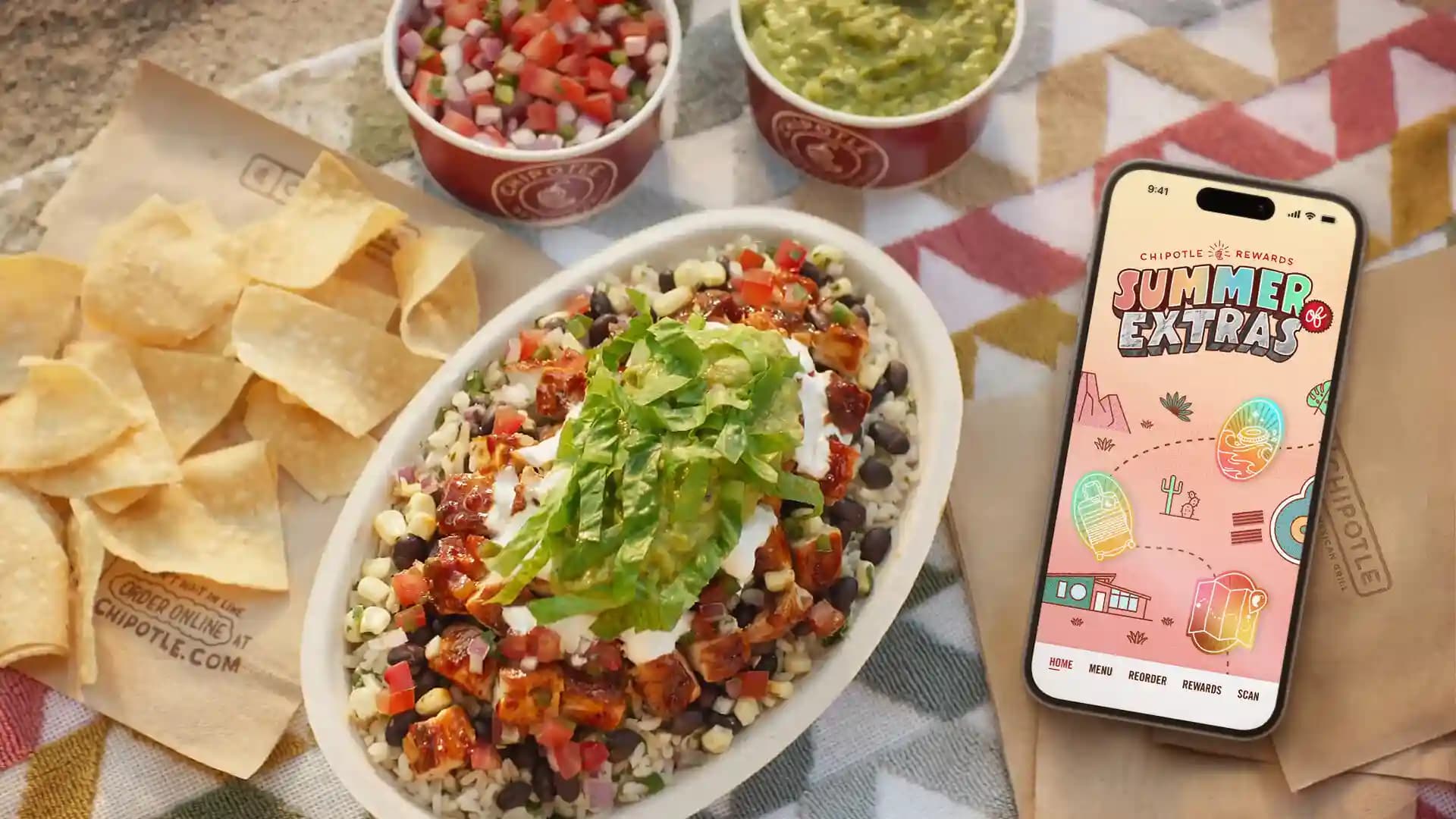
Here's why Chipotle doubled down: Last year's program drove 6.4 million activations and an estimated $12 million in incremental sales, plus 37.8 million earned social impressions as members showed off their streaks and rankings online. That's a seasonal campaign that pays for itself through visits and marketing at the same time, with nearly 23 million active members.
Chipotle gave members a goal (seven visits), a scoreboard and a reason to post. Competition did the work a discount usually does, earning nearly 25% growth in daily enrollees.
Wendy’s Rewards Drops: Limited-quantity merch for loyalty members
Wendy's summer loyalty campaign focused on non-food benefits. Their Rewards Drops offered free, limited-quantity merchandise (a Frosty-branded tote bag, a Wendy’s-themed charm bracelet, a World Cup-themed soccer jersey and a digital camera) exclusively to loyalty members, with one item dropping each Wednesday for four weeks. Wendy's messages members through Braze, connected it to its Punchh loyalty platform, so timed offers can reach the right members without manual work. Each drop was live for exactly one hour, and items went out of stock in seconds, building engagement for successive drops.
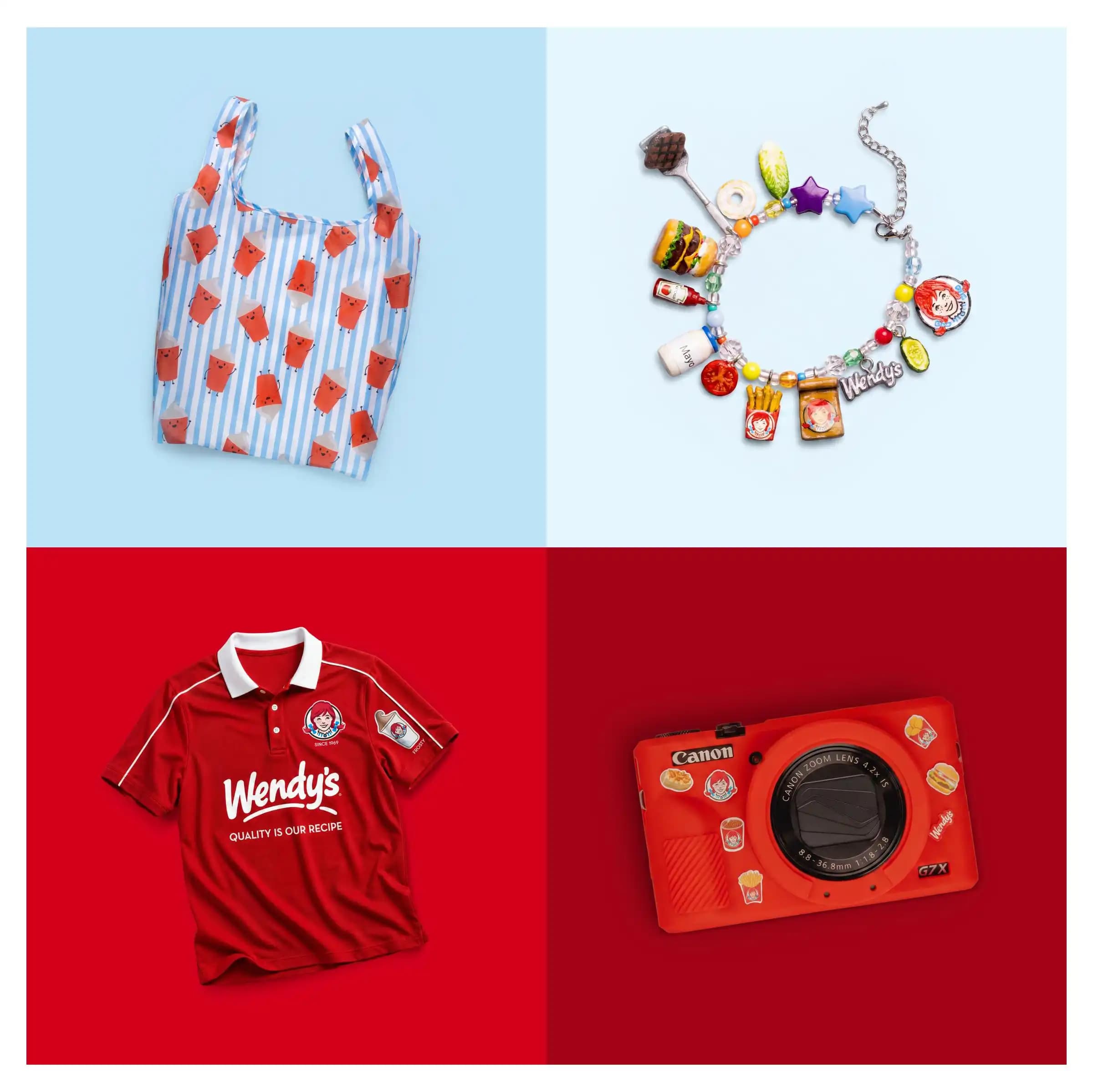
"That kind of velocity told us our fans were clearly hungry for exclusive, members-only experiences," says Whitney Gretz, Wendy’s VP of media and digital marketing. By rewarding loyalty members who opted into push notifications with merch and treating scarcity as a frequency lever, Wendy’s gave users a reason to open the app and place an order.
Fuzzy's Taco Shop Summer Fridays: A seven-visit challenge that owns one day of the week
Fuzzy's Taco Shop took the traditional seasonal campaign formula and updated it for 2026. Fuzzy's Beach Club campaign featured boardwalk-themed limited-time-offer (LTO) items and leveled up the campaign with an online game, an in-person airbrush t-shirt event in select restaurants and surprise rewards. By posting on social media, high scorers of the online game were qualified for a chance to win free food and gift cards.
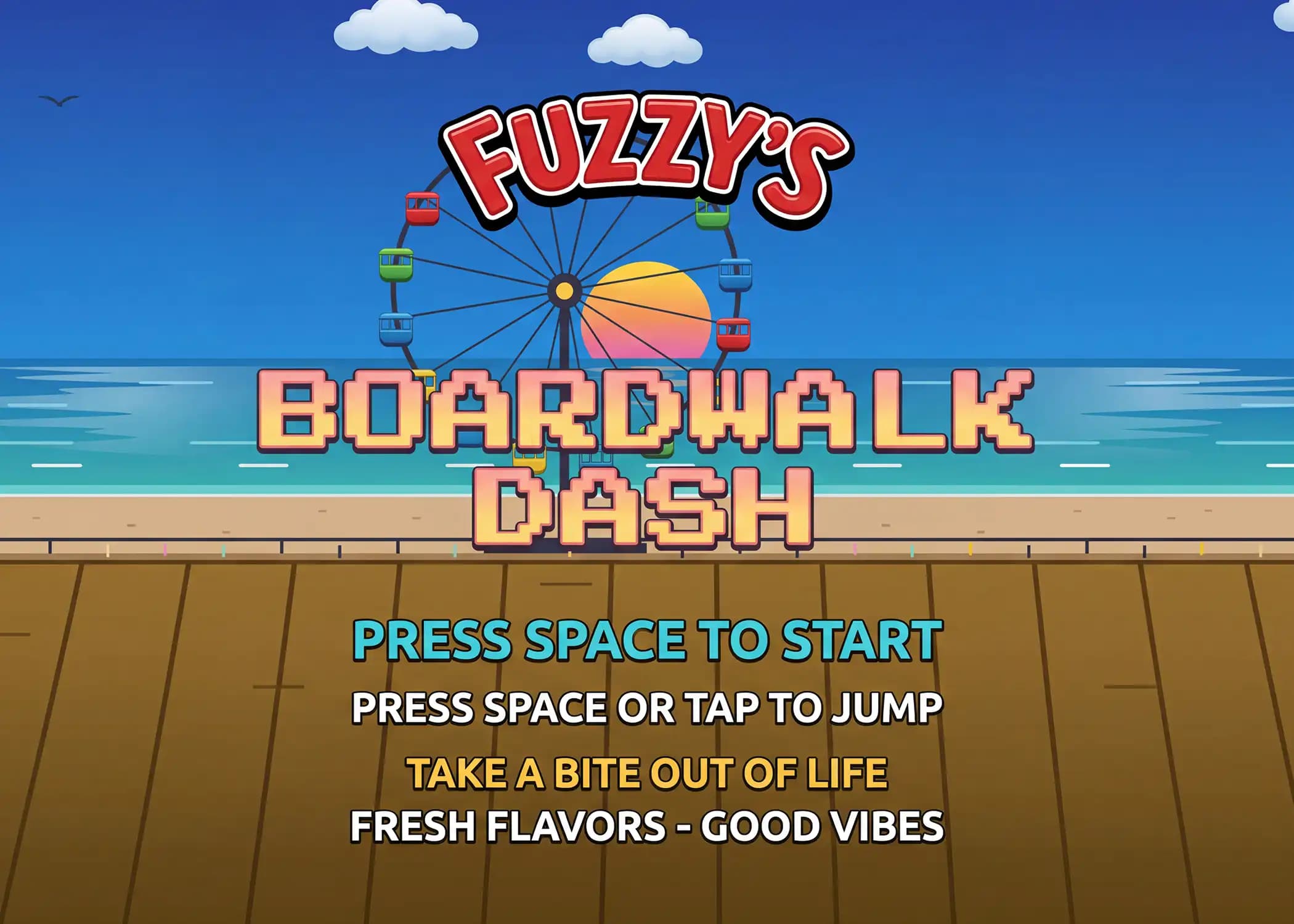
The brand rewarded members specifically for showing up on Fridays. After seven qualifying Friday visits, members were rewarded with a free burrito or bowl and a limited-edition t-shirt after ten visits.
By keeping a food-and-fun theme at the core of this campaign, both online and in-person, Fuzzy's gave regulars a weekly reason to show up and casual guests a reason to become regulars. An impressive achievement considering 60% of consumers are dining out less frequently, according to QSR Magazine.
Taco Bell's L.O.C.O.S.: A World Cup rewards game built on fan emotion
Taco Bell took the most unconventional approach of the four brands. Their L.O.C.O.S. campaign — short for Loss Or Celebration Outcome Support and open exclusively to Taco Bell Rewards members — debuted in time for the FIFA Club World Cup and is described by the brand as, “built to rally around fans in the emotional aftermath of moments such as culture’s most heated showdowns, personal victories, meltdowns, crushing breakups and more.” After each match, members open the app and pick between Celebration Mode or Support Mode depending on their team’s performance, then work through weekly in-app challenges to unlock free tacos and exclusive merchandise.
It's a clever bit of reframing: Rather than building the season around a purchase streak or a countdown clock, Taco Bell built it around emotions their fans were already feeling every few days and made sure the brand was there to meet them.
The mix of in-person activations, digital rewards and experiences reinforces the brand's value for loyalists and casual fans alike. Sporting event results are unpredictable, but the app gives Taco Bell a reason to be part of the conversation, whether fans win or lose.
How summer informs every season for customer loyalty programs
Every brand gave members a reason to return on a schedule: a monthly streak, a Wednesday drop, a Friday visit, a match day, etc. Every campaign sat behind a loyalty login, so each visit produced first-party data the brand owns. Each paired a digital mechanism with something physical or social, and in each case, scarcity, competition or emotion did the work that a discount usually does.
Campaign | Dates (2026) | Frequency trigger | How it worked | Proof and context |
|---|---|---|---|---|
Chipotle: Summer of Extras (Year 2) | June 1 to Aug 31 | Monthly purchase streak | Each entrée purchase counts toward a streak. Seven purchases in a month earn a free entrée or 1,625 points. Features included badges, side quests and leaderboards to encourage competition. | 2025 program: 6.4M activations, an estimated $12M+ in incremental sales and 37.8M earned social impressions. |
Wendy’s: Rewards Drops (Year 1) | May 13 to June 3 | Weekly timed drops | Free limited-quantity merch (tote, charm bracelet, soccer jersey, camera) pushed to app members. | Wendy’s built toward this with its March Madness campaign, driving over 550,000 new digital accounts. Reported 2026 sellout speed: 5,000 totes, 5,000 bracelets and 1,000 jerseys in 90 seconds; 20 cameras in two seconds. |
Fuzzy’s Taco Shop: Summer Fridays (Year 1) | June 5 to Aug 28 | Friday visits | A free burrito or bowl after seven qualifying Fridays and a t-shirt after 10. Rewards sat inside their Beach Club campaign with a boardwalk-themed menu, an online game and a live airbrush night. | Fuzzy’s entered 2026 with a 7% drop in domestic same-restaurant sales in 2025. |
Taco Bell: L.O.C.O.S. (Year 1) | June 25 to July 13 | World Cup match days | After each World Cup match, members picked Celebration Mode or Support Mode in the app. Weekly challenges unlocked free food and merch. In-person activations ran in six countries. | Taco Bell loyalty sales grew 30% year over year in Q1 2026. |
The lesson is sequencing, and here are three steps to strengthen your loyalty season playbook:
- Drive predictable habit cycles: Set explicit end dates (like Chipotle's monthly resets) to create urgency and structured visit rhythms before calendar flips.
- Capitalize on intent peaks: Align drops with high-attention periods (like Wendy's seasonal windows) where exclusive member drops cut through market noise.
- Monetize low-velocity days: Reclaim off-peak performance by dedicating specific days of the week to recurring rewards (like Fuzzy’s Taco Shop owning Fridays).
How to measure a loyalty season
Chipotle reports three numbers for its 2025 season: 6.4 million activations, an estimated $12 million in incremental sales and 37.8 million earned social impressions. Wendy's tracks demand by speed to sell out, with 5,000 tote bags gone in 90 seconds, and ties campaigns to orders instead of clicks.
Track participation (are people joining and engaging?), demand (is behavior changing?) and revenue (is it paying off?) and report all three. Set your scorecard before launch by picking one metric from each. Example metrics on a scorecard could include:
Participation
- Season enrollment rate: share of active members who opt into the season
- Challenge or offer completion rate
- Active member rate: members who transact at least once during the season
- Reactivation rate: lapsed members who return during the season
Demand
- Visit frequency per member
- Average order value (AOV)
- Items per order or attach rate (e.g., adding a drink or side)
- Daypart mix: visits shifting into slower periods like afternoons
- Promoted item or limited-time offer (LTO) sales mix
Revenue
- Incremental revenue earned per campaign
- Total member revenue (season vs. prior period)
- Average spend per member per season
We can help you build your own loyalty season
Whichever model fits your brand — a gamified streak, a scarcity-driven drop, a single day of the week owned outright or something tied to an emotional moment — the mechanics behind it are the hard part, and that's exactly where our team spends its time for the biggest brands in QSR. Building a high-frequency loyalty strategy requires orchestrating your enterprise martech stack, optimizing unit economics and unifying customer data across every digital and physical touchpoint. At TELUS Digital, we partner with CMOs and digital leaders to transform loyalty into a predictable revenue growth engine.
If you're rebuilding your loyalty program as a new app or writing the RFP for it, talk to us about loyalty program design.