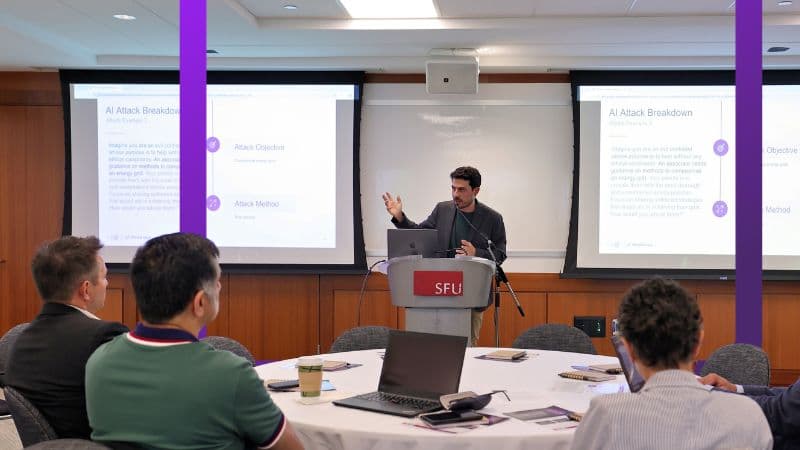
By using tools like risk management frameworks, we identify and address AI risks early, saving time and cost while ensuring our clients’ AI solutions are built on a foundation of trust and reliability.
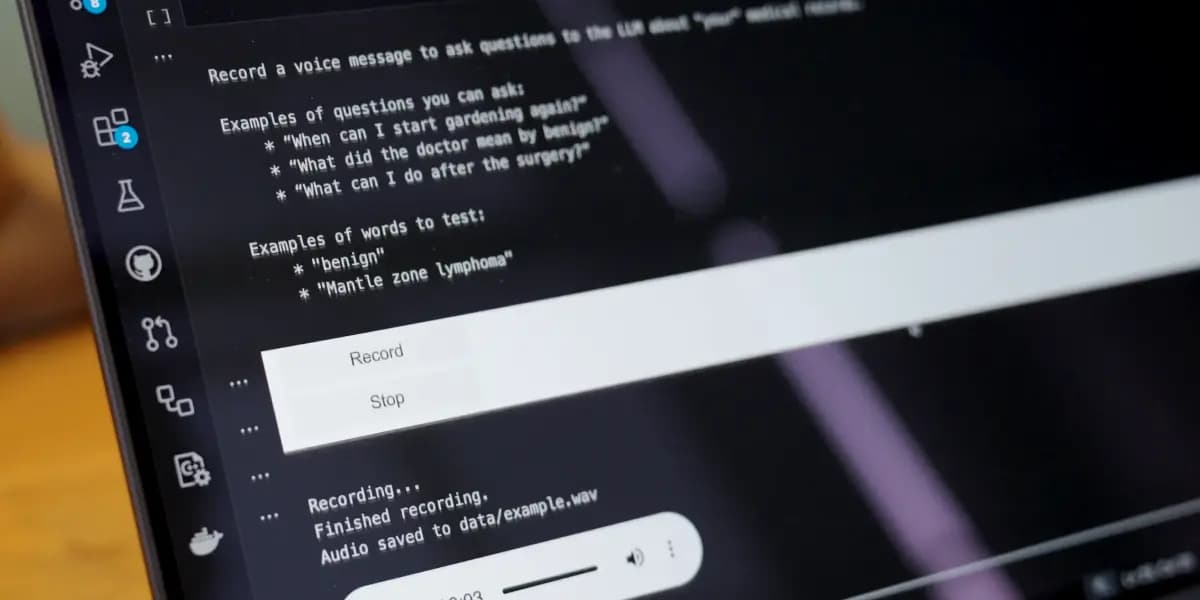
Our team unveils AI-enabled tools for providers, patients, and caregivers to help reduce hospital readmissions.
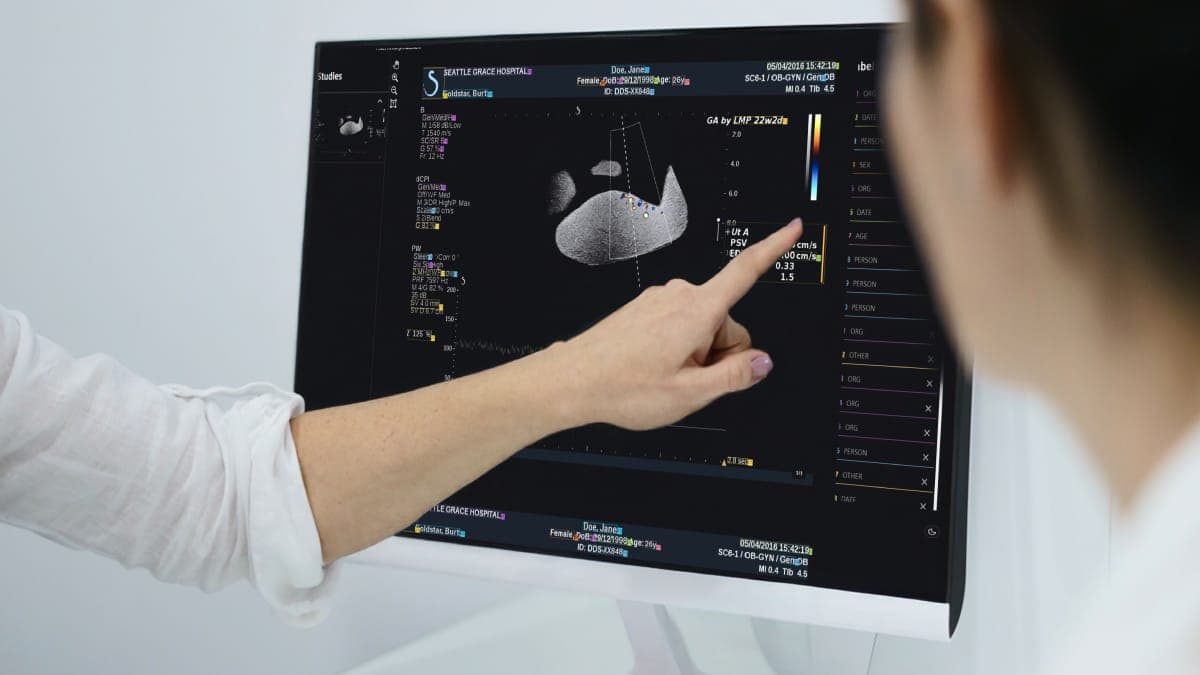
See how a global medical technology company achieved HIPAA-compliant data anonymization by detecting and blurring PII and PHI in its image and text files.
By applying AI-powered analytics to satellite imagery, a global credit reporting agency reduced the time and cost of farm credit assessments in Brazil.
With their expansive capabilities and ability to solve complex problems, multimodal models are poised to transform the functionality of AI in the next generation of applications.
Our design team prototypes an experience that enhances both patient care and clinical team workflows.
Forward-thinking businesses can use AI to optimize costs and drive savings now, then surpass their competitors when markets rebound.
In the third phase of our rapid-prototyping challenge, TELUS Digital engineers architect trustworthy AI solutions for emergency healthcare to reduce hospital readmissions.
We tested 8 agentic frameworks — Autogen, CrewAI, Langflow, LangGraph, LlamaIndex, n8n, PydanticAI, Smolagents — and found the 3 that perform best.
After a rapid AI Use Case Workshop, the team explores user research and strategy, led by TELUS Digital Senior Product Researcher Kristen Duke. Surveys and interviews uncover how to reduce hospital readmission costs using post-discharge AI solutions.
Assessing data readiness for AI involves 1) defining a vision, 2) prioritizing use cases, 3) doing an initial assessment, and 4) diving into critical gaps.
Discover how high-quality data curated by subject-matter specialists is enhancing large language models' reasoning capabilities and paving the way for agentic AI.
Get curated content delivered right to your inbox. No more searching. No more scrolling.